Author: Taylor Moore
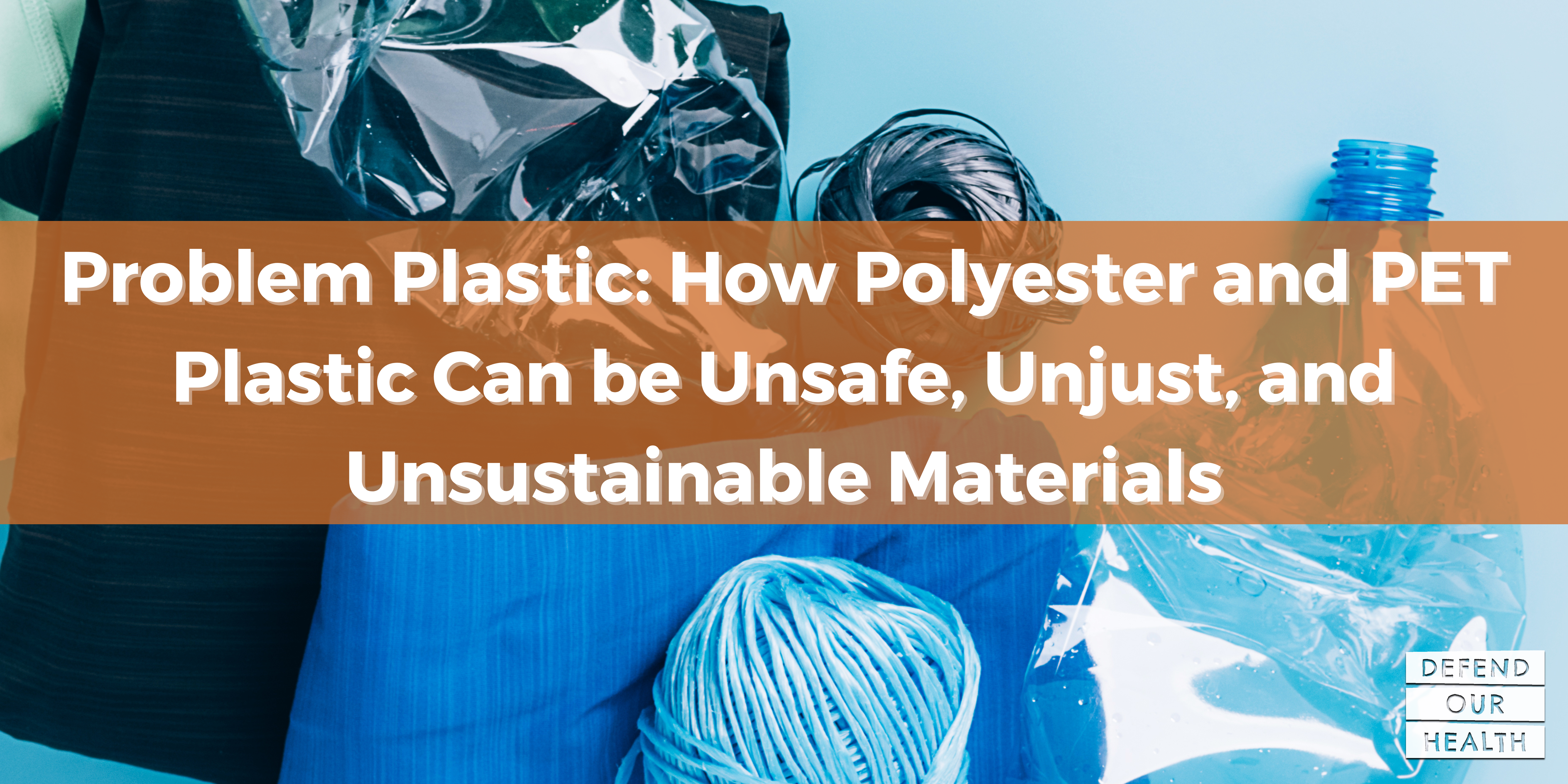
PET Plastic Report
Over the past few months, we tested 20 popular beverages packaged in plastic bottles and found a cancer-causing plastic chemical in every, single bottle. In the beverages we tested, including Pepsi and Coca-Cola brands, we found unsafe levels of a highly toxic chemical used to make plastic bottles for carbonated soft drinks, juices, energy drinks, and bottled water. But the… Read more »

Welcome Summer 22′ Organizing Interns
Or team is very excited to introduce our summer interns working on the Safe Drinking Water campaign and our new Healthy Homes program. Caitlyn Hanley is a junior at Bates College majoring in Environmental Studies with a minor in Educational Studies. She grew up in Portland, ME and her interest on environmental issues comes from… Read more »
2022 Priority Bills
PFAS Bills: LD 1911 “An Act To Prohibit the Contamination of Clean Soils with So-called Forever Chemicals.” This bill would ban the spreading of sludge and sludge-derived compost on farmland that contributes to PFAS contamination. It would also require that wastewater treatment facilities and other industry that discharge effluent into Maine’s waterways test that effluent for… Read more »

Interview with GWU scientist on links between fast food and toxic chemicals
Recently, Dr. Lariah Edwards, Post-Doctoral Scientist in the Department of Environmental and Occupational Health at George Washington University, a lead author of a new study on phthalates, spoke with Health Europa to share details on her team’s investigation into the issue of phthalates and other chemical plasticisers found in fast-food chains like McDonald’s and Chipotle. Phthalates are associated… Read more »

Maine Hearing: Experts & Impacted Residents Testify for Equity, Justice and Movement on Tackling PFAS ‘Forever Chemicals’
On Monday, legislators, impacted citizens, scientists and health advocates urged the Environment and Natural Resources Committee to continue to move the state forward in the fight against toxic PFAS, a group of man-made chemicals that have been linked to negative health impacts, including several types of cancer and decreased immune response to vaccines. Defend has… Read more »

Our 2021 Victories
2021 has been an eventful year full of numerous victories and we couldn’t have done it without our amazing supporters! Our supporters helped make all of these victories possible through various means of support and by gifting us the funds to run these ambitious campaigns. We are very proud of the work Defend has done… Read more »

Here’s what we’ve won!
Maine’s leading the nation by dumping a cancer-linked toxic chemical. The Maine Legislature passed a law to eliminate toxic PFAS from products we use every day. We’re the first state to get this done! (LD 1503) Maine will also protect our firefighters, whose risk of cancer is elevated by exposure to toxic chemicals. No longer… Read more »
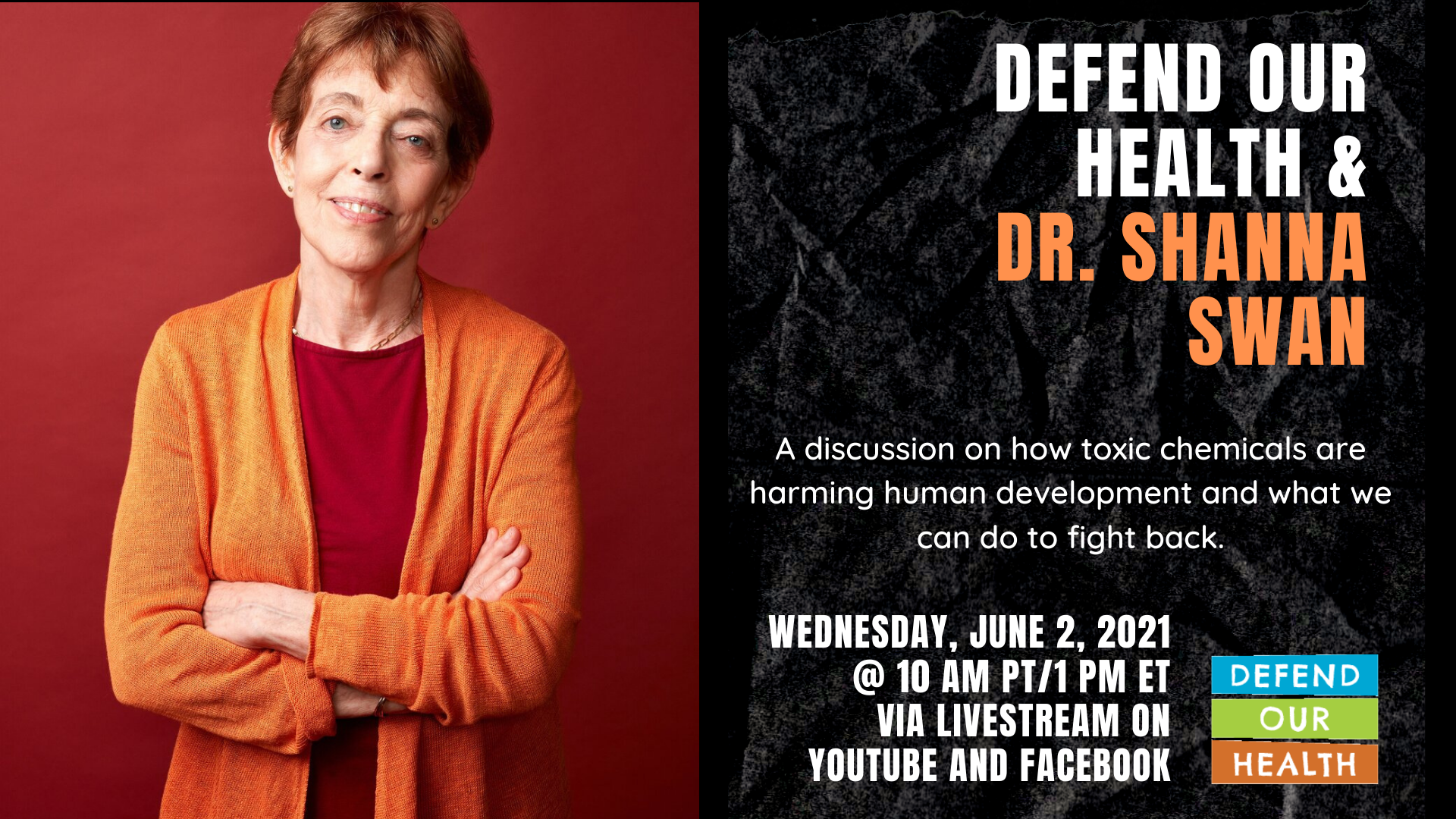
Toxic Chemicals and How to Fight Back with Dr. Shanna H. Swan
This week, we interviewed Dr. Shanna H. Swan, professor of environmental medicine and public health at the Icahn School of Medicine at Mount Sinai in New York City. One of the world’s leading environmental and reproductive epidemiologists, she’s the incredible scientist whose new book, Count Down: How Our Modern World Is Threatening Sperm Counts, Altering… Read more »

Maine Legislation: PFAS in Products
As leading retailers ban sales of toxic PFAS products, health advocates call on Maine to follow suit With home improvement retailer Lowe’s announcing the end of the sale of PFAS carpet treatments, legislature urged to adopt bill to broadly end use in products Portland, Maine — On the heels of actions from leading retailer Lowe’s,… Read more »

Expert & Advocate Testimony on PFAS in Drinking Water
Last week, legislators, impacted citizens, scientists and health advocates urged Maine’s Health and Human Services Committee to follow the policies of nearby states in the fight against drinking water contamination. Maine officials have been using an outdated “advisory” level from the USEPA of 70 parts per trillion, while experts and advocates are pushing to both… Read more »